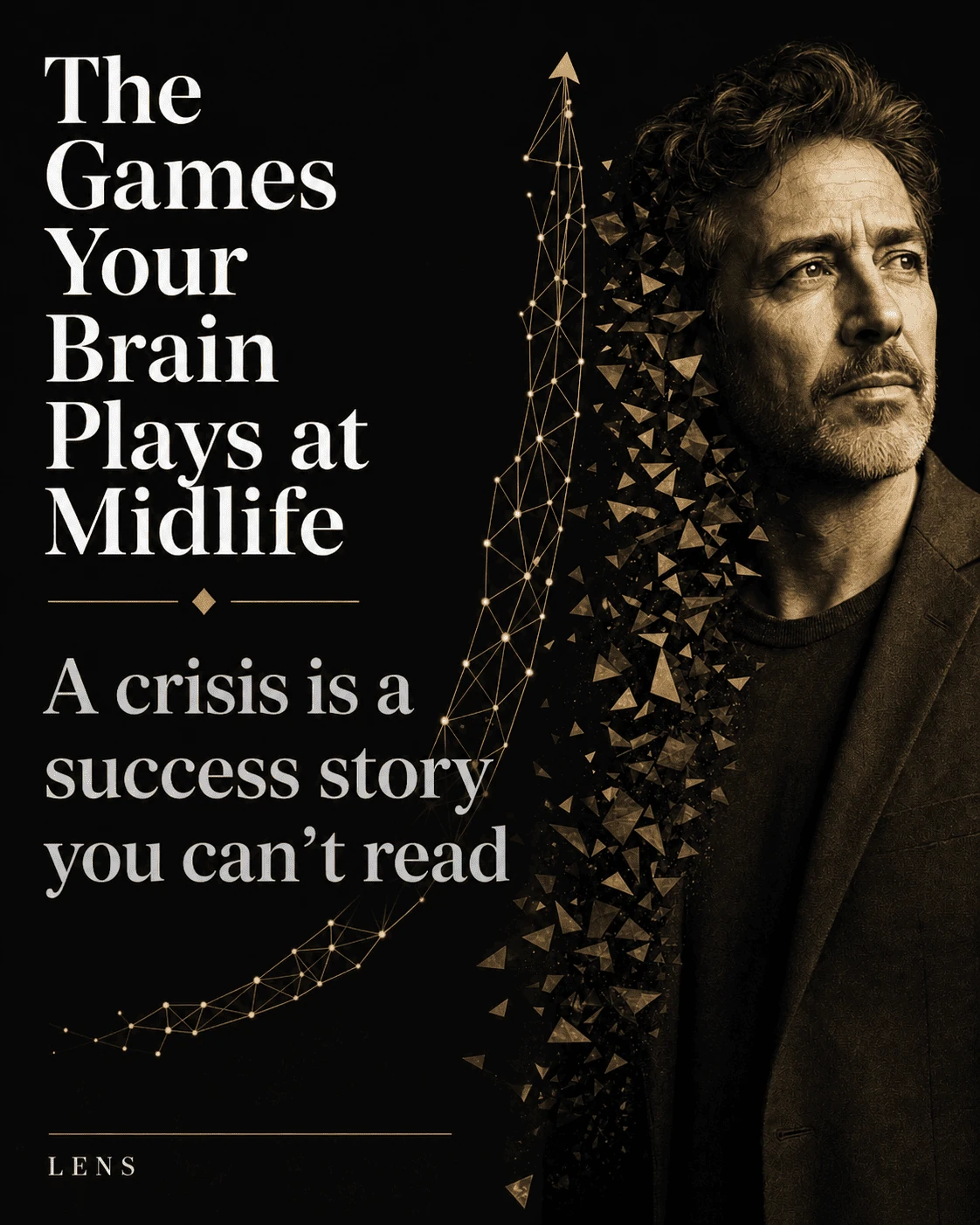
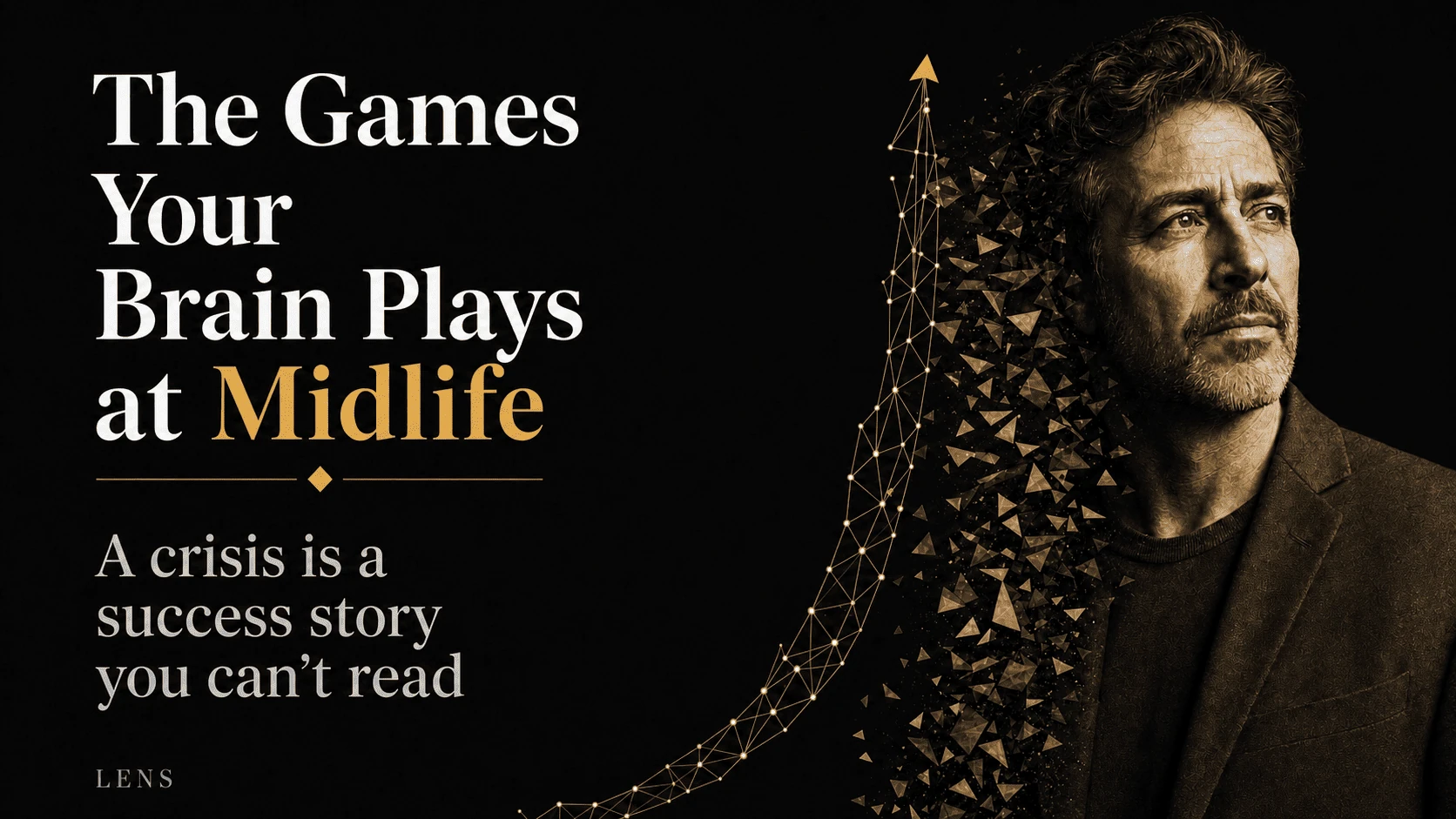
The Games Your Brain Plays at Midlife
Around age 47, life satisfaction hits its statistical floor — not because something has gone wrong, but because everything has gone right. The brain's autopilot programs have finished executing, and the resulting silence feels like emptiness. Neuroscience suggests it's something else entirely: the opening, not the closing.
Sep 4, 2026 · 11 min readSignature Match · Free
How Much Do You Think Like Elon Musk?
Elon Musk · Reality Decoder. Assumption Destroyer.
Most people borrow their answers from the world around them — Musk rebuilds them from scratch, and the results and the wreckage come from the same place.
7 questions · about 3 minutes
“You already know what to do. You've known for years. And next Tuesday you'll do the other thing again. That gap — between knowing and doing — isn't a discipline problem. It's a design feature of the machinery you're running on. We publish what's inside the gap.”
— The LUCENT


The Technique Where Most Family Fights Die on Paper
Your brain doesn't wait for your partner to finish a sentence before deciding what they meant. It constructs a story in milliseconds, then hands it to you as reality. The Two-Column Method is a 90-second writing exercise designed to make that substitution visible — and auditable — before it escalates into a fight you'll both regret.
Sep 9, 2026 · 13 min read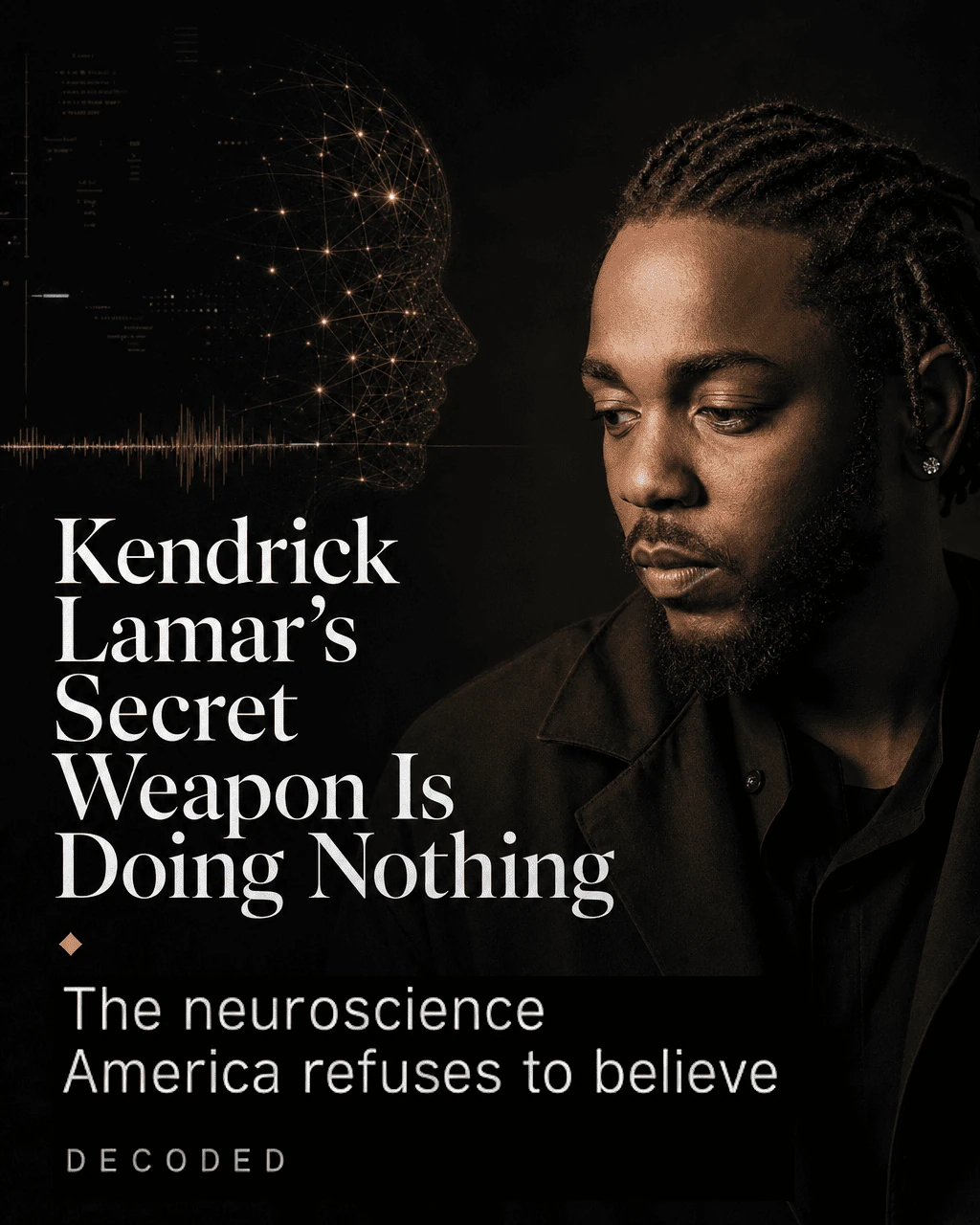
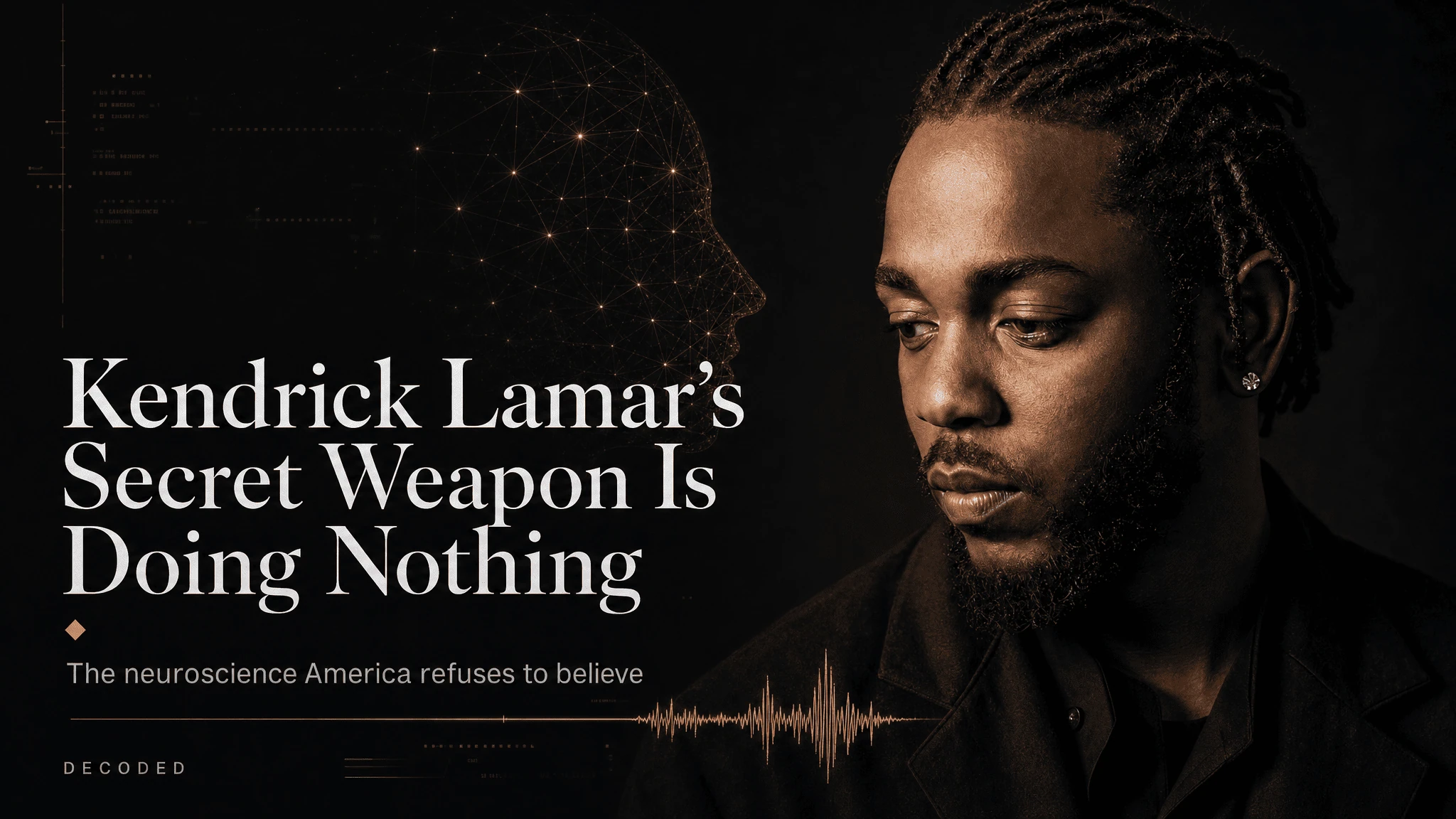
Kendrick Lamar's Secret Weapon Is Doing Nothing
When Kendrick Lamar disappeared for five years between albums, the internet called it laziness, label drama, creative block. Neuroscience suggests something far more interesting: his brain was doing exactly what elite creative brains do. The question is whether the rest of us are brave enough to follow.
Sep 7, 2026 · 12 min read
Welcome to the AI Dark Side. It Looks Helpful.
The AI didn't lie to you. It did something more insidious: it took your assumptions, dressed them in confident prose, and handed them back as analysis. Understanding why your brain can't tell the difference — and what to do about it — may be the most important cognitive skill of the next decade.
Sep 2, 2026 · 10 min read
What Jensen Huang Understands About Falling
At a robotics competition in Beijing, humanoid machines collapsed mid-stride in front of international cameras. Jensen Huang saw something most observers missed: not failure, but a training signal. The same cognitive architecture that kept Nvidia alive through near-bankruptcy — and built it into a $3 trillion company — is the architecture that makes falling the most important thing a robot can do.
Aug 31, 2026 · 12 min read
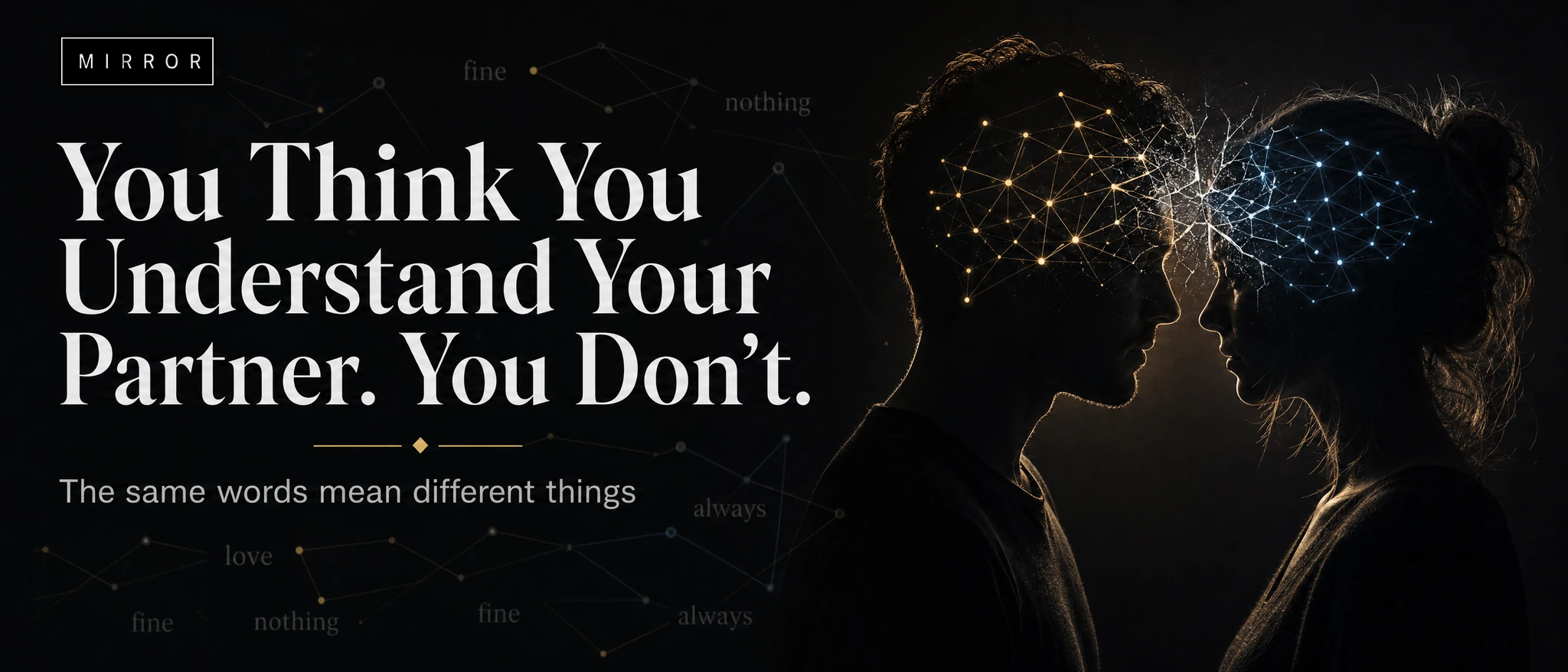
You Think You Understand Your Partner. You Don't.
Research on empathic accuracy shows that even in long-term couples, partners correctly read each other's emotional states only about 35% of the time during conflict — yet report being highly confident in their interpretations. The person you think you're fighting with may be a character your brain assembled years ago. Understanding why changes everything about how you listen.
Aug 26, 2026 · 12 min read

Donald Trump's Chaos Is the Strategy
When Trump sent Iran's Supreme Leader a letter with a deadline and a military threat attached, the world called it recklessness. Neuroscience suggests something more precise: a specific type of mind doing exactly what it was built to do. The question isn't whether this is a strategy — it's whether the strategist knows the difference.
Aug 25, 2026 · 11 min readTHE SIGNAL — Every Sunday.
One idea from cognitive science. Applied to your real week.
What to expect: a short read on one behavioral pattern, one research insight, one question worth sitting with.
Recent issue: Why your brain resists the decisions you’ve already made.
Join our readers every Sunday.
What makes exceptional minds work — decoded through neuroscience.
Kendrick Lamar's Secret Weapon Is Doing Nothing
The patterns running your life — made visible.
You Think You Understand Your Partner. You Don't.
Practical cognitive tools for sharper thinking.
The Technique Where Most Family Fights Die on Paper
Rethinking what you thought you understood.
The Games Your Brain Plays at Midlife